-
Products
-
Products
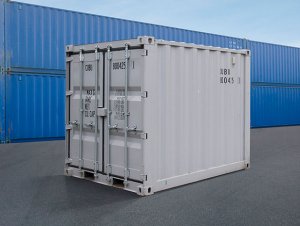
Shipping containers are versatile, durable, and cost-effective solutions for a wide range of needs. From secure storage and efficient transport of goods to innovative building projects and pop-up businesses, containers offer endless possibilities. Their robust construction withstands harsh conditions, making them ideal for both temporary and long-term applications. Whether you need to move cargo across the globe or create a unique space, containers provide a strong foundation for your project.
- Our Container Selector
-
Products
-
Services
-
Services
Lorem ipsum dolor sit amet, consectetur adipiscing elit, sed do eiusmod tempor incididunt ut labore et dolore magna aliqua. Ut enim ad minim veniam, quis nostrud exercitation ullamco laboris nisi ut aliquip ex ea commodo consequat.
-
Services
-
Toolbox
-
Toolbox
Lorem ipsum dolor sit amet, consectetur adipiscing elit, sed do eiusmod tempor incididunt ut labore et dolore magna aliqua. Ut enim ad minim veniam, quis nostrud exercitation ullamco laboris nisi ut aliquip ex ea commodo consequat.
-
Toolbox
-
Resources
-
Resources
Lorem ipsum dolor sit amet, consectetur adipiscing elit, sed do eiusmod tempor incididunt ut labore et dolore magna aliqua. Ut enim ad minim veniam, quis nostrud exercitation ullamco laboris nisi ut aliquip ex ea commodo consequat.
-
Resources
-
Locations
-
Locations
Lorem ipsum dolor sit amet, consectetur adipiscing elit, sed do eiusmod tempor incididunt ut labore et dolore magna aliqua. Ut enim ad minim veniam, quis nostrud exercitation ullamco laboris nisi ut aliquip ex ea commodo consequat.
-
Locations
-
About
-
About
Lorem ipsum dolor sit amet, consectetur adipiscing elit, sed do eiusmod tempor incididunt ut labore et dolore magna aliqua. Ut enim ad minim veniam, quis nostrud exercitation ullamco laboris nisi ut aliquip ex ea commodo consequat.
-
About
Portable container buildings, also known as modular container homes, are structures made from repurposed shipping containers. These containers are modified and outfitted to serve various purposes, including homes, offices, shops, and temporary shelters.
Key features and benefits of portable container buildings:
* Durability and strength: Shipping containers are built to withstand harsh conditions, making them a sturdy and reliable building material.
* Portability and flexibility: The modular nature of containers allows for easy transportation and relocation. They can be stacked, combined, or modified to create different layouts and sizes.
* Cost-effectiveness: Compared to traditional construction methods, container buildings can be more affordable, especially for smaller structures.
* Sustainability: Repurposing shipping containers reduces waste and the demand for new building materials, making them an eco-friendly choice.
* Fast construction: Container buildings can be assembled relatively quickly, reducing construction time and labor costs.
Applications of portable container buildings:
* Residential: Container homes are gaining popularity as a modern and sustainable housing option. They can be customized to fit individual needs and preferences.
* Commercial: Container buildings can be used as offices, retail spaces, restaurants, or cafes. Their unique design can attract customers and create a distinctive brand identity.
* Industrial: Container buildings are suitable for workshops, storage facilities, or temporary construction sites. Their durability and portability make them ideal for these applications.
* Emergency and disaster relief: Container buildings can be quickly deployed as temporary shelters, medical clinics, or command centers in disaster-stricken areas.
Considerations when choosing portable container buildings:
* Climate: Container buildings may require additional insulation or climate control systems depending on the location and weather conditions.
* Local regulations: Building codes and zoning regulations may vary depending on the area. It's essential to check with local authorities before starting construction.
* Customization: While containers offer a basic structure, customization options are available to create unique and functional spaces. Consider factors like insulation, windows, doors, flooring, and interior finishes.
* Professional installation: While some DIY options exist, it's generally recommended to hire professionals for site preparation, foundation work, and structural modifications to ensure safety and quality.
Overall, portable container buildings offer a versatile, cost-effective, and sustainable solution for various construction needs. Their durability, portability, and customization options make them an attractive choice for individuals and businesses alike.