-
Products
-
Products
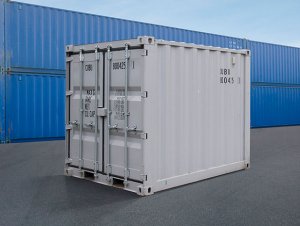
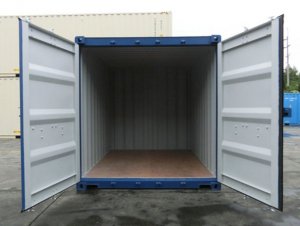
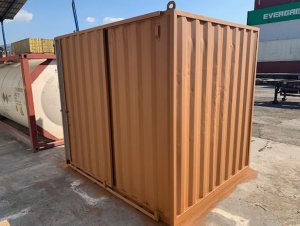
Shipping containers are versatile, durable, and cost-effective solutions for a wide range of needs. From secure storage and efficient transport of goods to innovative building projects and pop-up businesses, containers offer endless possibilities. Their robust construction withstands harsh conditions, making them ideal for both temporary and long-term applications. Whether you need to move cargo across the globe or create a unique space, containers provide a strong foundation for your project.
- Our Container Selector
-
Products
-
Services
-
Services
Lorem ipsum dolor sit amet, consectetur adipiscing elit, sed do eiusmod tempor incididunt ut labore et dolore magna aliqua. Ut enim ad minim veniam, quis nostrud exercitation ullamco laboris nisi ut aliquip ex ea commodo consequat.
-
Services
-
Toolbox
-
Toolbox
Lorem ipsum dolor sit amet, consectetur adipiscing elit, sed do eiusmod tempor incididunt ut labore et dolore magna aliqua. Ut enim ad minim veniam, quis nostrud exercitation ullamco laboris nisi ut aliquip ex ea commodo consequat.
-
Toolbox
-
Resources
-
Resources
Lorem ipsum dolor sit amet, consectetur adipiscing elit, sed do eiusmod tempor incididunt ut labore et dolore magna aliqua. Ut enim ad minim veniam, quis nostrud exercitation ullamco laboris nisi ut aliquip ex ea commodo consequat.
-
Resources
-
Locations
-
Locations
Lorem ipsum dolor sit amet, consectetur adipiscing elit, sed do eiusmod tempor incididunt ut labore et dolore magna aliqua. Ut enim ad minim veniam, quis nostrud exercitation ullamco laboris nisi ut aliquip ex ea commodo consequat.
-
Locations
-
About
-
About
Lorem ipsum dolor sit amet, consectetur adipiscing elit, sed do eiusmod tempor incididunt ut labore et dolore magna aliqua. Ut enim ad minim veniam, quis nostrud exercitation ullamco laboris nisi ut aliquip ex ea commodo consequat.
-
About
Shipping containers invented in 1956 , standardized containers used for intermodal freight transport. This means they can be used across different modes of transportation – from ships to trains to trucks – without needing to unload and reload their cargo.
Here's a breakdown of key aspects of shipping containers:
* Standardization: A key feature is their standardization. Most shipping containers comply with ISO standards, ensuring they can be easily handled and transported globally. This standardization is crucial for efficient international trade.
* Sizes: While there are various sizes, the most common are:
* 20-foot containers: These are often called TEUs (Twenty-foot Equivalent Units) and are a standard measure of container capacity.
* 40-foot containers: These are twice as long as 20-foot containers and are also very common.
* High Cube containers: These have the same length as standard containers but are taller, providing extra capacity.
* Types: Beyond the basic dry van container, there are specialized types:
* Refrigerated containers (Reefers): For goods needing temperature control.
* Open Top containers: For oversized cargo that can't fit through a standard container door.
* Flat Rack containers: For very large or heavy cargo.
* Tank containers: For transporting liquids.
* Materials: Most shipping containers are made of steel, making them strong and durable to withstand the rigors of shipping.
* Uses: While their primary use is for transporting goods, shipping containers have found many other applications:
* Storage: They are excellent for temporary or long-term storage.
* Construction: They can be modified for use as offices, homes, or other structures.
* Retail: They are increasingly used for pop-up shops or container-based businesses.
Key Benefits of Shipping Containers:
* Efficiency: They streamline the transportation of goods, making global trade more efficient.
* Security: They provide a secure way to protect cargo from theft and damage.
* Durability: They are built to withstand harsh conditions.
* Versatility: They can be used for a wide range of purposes beyond shipping.
If you're interested in learning more about shipping containers, I can provide information on specific types, sizes, or their various applications. Just let me know what you'd like to explore further!